

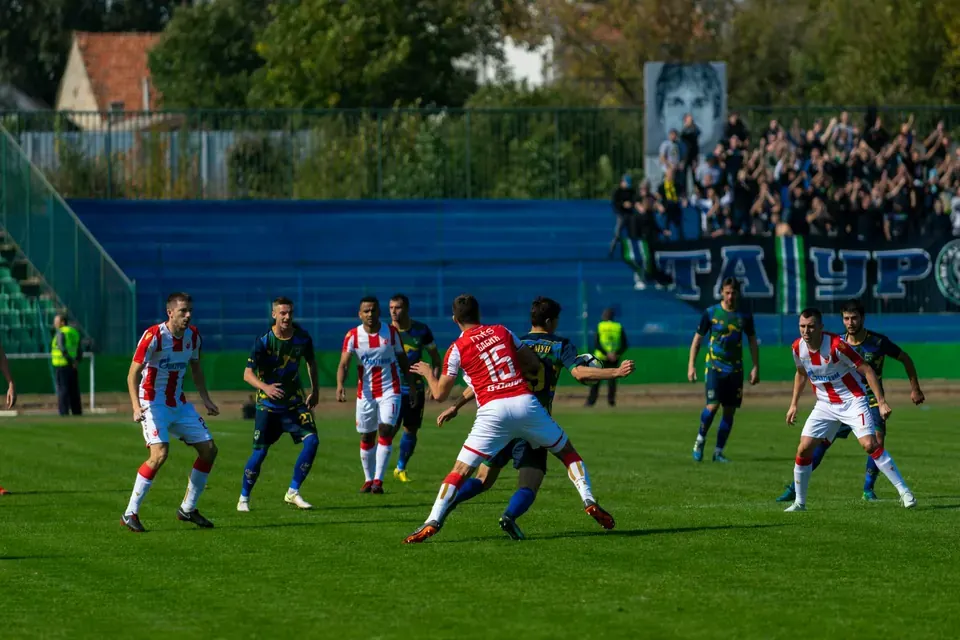
Let's cut through the noise. Every summer, Manchester United recalls or integrates a dozen loaned-out players, and the fanbase collectively holds its breath expecting a miracle transformation. The reality is far less romantic. Loan returns are not a transfer windfall—they're a squad management headache that requires cold-eyed analysis, not blind optimism. Before you start planning a starting XI around a 22-year-old who impressed in the Championship, here's the checklist you need to separate genuine first-team contenders from temporary filler.
Step 1: Distinguish Between "Developmental Loans" and "Squad Clear-Out Loans"
The first mistake is treating all loan returns as equal. They are not. Manchester United's loan system can be viewed through two analytical categories, and confusing them leads to false hope.
Developmental loans are for academy graduates or young signings with a clear pathway: a full season of regular football at a competitive level (Premier League, Championship, or top European league). Examples include players like James Garner's stint at Nottingham Forest or Amad Diallo's time at Sunderland. These players return with tangible improvements in game time, tactical awareness, and statistical output. They have a genuine case for pre-season evaluation.
Squad clear-out loans are for players the club wants to sell but couldn't find a buyer for. They're sent to lower leagues or foreign clubs to raise their market value, not to develop into first-team material. Think of a 24-year-old who's spent three seasons on loan at mid-table Championship sides. The club's internal assessment is likely already made: they're not good enough. The loan is a shop window, not a development program.
How to check: Look at the player's age, contract length, and previous loan history. If they're 23+ with multiple loans and no first-team appearances, you're likely looking at a sale candidate. If they're 20-22 with one or two loans and clear progression, they might have a shot.
Step 2: Evaluate the Loan Performance—Not Just Stats, but Context
A player scoring 10 goals in the Championship sounds impressive until you check that 6 were penalties and 3 came against bottom-three sides. Manchester United's scouting department has access to far more granular data than public stats, but you can still do a basic contextual analysis.
Key questions to ask:
- What level of competition did they face? A player dominating in League One is a different proposition from one holding his own in La Liga.
- How did their team perform? A defender on a relegation-threatened side might have inflated defensive stats from constant pressure.
- Did they play in their natural position? A winger forced into a striker role due to injuries isn't showing his true capability.
- What was the quality of their teammates? A midfielder creating chances for a poor finisher will have depressed assist numbers.
Step 3: Assess the Squad Depth Chart—Where Do They Fit?
This is where most fan excitement dies. Manchester United's first-team squad is not a blank canvas. For every returning loan player, there's an established starter and at least one backup already in place.
Create a simple depth chart for the position. For example, at right wing, the club has invested heavily in a high-profile signing, and other options like Amad Diallo may be in the mix. In central midfield, established internationals and emerging academy talents compete for minutes. At left back, the team has both a regular starter and a backup.
If the returning player is competing against a high-profile signing or an established international, their path to minutes is narrow. The exception is if the starter is injury-prone or the backup is clearly inferior—but that's a gamble, not a plan.
The hard truth: Unless the loan player is clearly better than the current backup, they're looking at cup minutes, Europa League group stages, or another loan. The club's hierarchy doesn't reshuffle for sentiment.
Step 4: Check the Contract Situation—Are They Even Staying?
This is the step most fans skip. A player returning from loan doesn't mean they're in the first-team plans. It could mean their loan club didn't trigger a purchase option, or Manchester United is trying to sell them in the current window.

What to look for:
- Remaining contract length: If it's 1-2 years, the club is likely to sell or extend—watch for contract extension announcements.
- Purchase options in the loan agreement: If the loan club had an option and declined it, that's a red flag about the player's perceived value.
- Manager comments: Pre-season press conferences are revealing. If the manager says "we'll take a look at him" rather than "he's in my plans," prepare for a sale.
Step 5: Watch Pre-Season Friendlies with a Critical Eye
Pre-season is the worst possible environment to evaluate a loan return. Players are at different fitness levels, opponents are not at full intensity, and the tactical setup is experimental. Yet this is where most fans form their opinions.
What to actually watch for:
- Physical readiness: Is the player keeping up with first-team regulars? If they're visibly slower or less sharp, they're not ready for Premier League intensity.
- Tactical understanding: Do they know where to position themselves in the system? A player who drifts out of position against a League Two side will be exposed against Manchester City.
- Decision-making under pressure: Pre-season has less pressure, but you can still see if a player makes the right pass or holds the ball too long.
Step 6: Compare to Academy Graduates Already in the System
Manchester United's academy is producing talent at a rate that makes loan returns less valuable. Why integrate a 22-year-old loan return when an 18-year-old academy product like Kobbie Mainoo or Alejandro Garnacho is already showing first-team quality?
The calculation:
- Loan return player: Older, likely on higher wages, less connection to the club, shorter shelf life.
- Academy graduate: Younger, lower wages, club-trained status for UEFA competitions, longer potential.
Step 7: Prepare for the Most Likely Outcome—Another Loan or a Sale
Here's the checklist's final, uncomfortable truth: most Manchester United loan returns do not become first-team regulars. They either go out on another loan to a higher level, or they're sold to a club where they can be a starter.
The realistic timeline:
- Pre-season: Player returns, trains with first team, plays in friendlies.
- August: If they impress, they stay as a squad player (cup minutes, late subs).
- September: If they don't, they either go on another loan (deadline day) or are sold (if a buyer exists).
- January window: Last chance for loan departures if they're still at the club and not playing.
Summary: The Sceptic's Verdict
Manchester United's loan return system is not a talent pipeline—it's a triage unit. Some players will be kept, most will be moved on, and a few will surprise. The key is to evaluate each case on its own merits, not on nostalgia or hope.
Your action plan:
- Identify the loan type (development vs. clear-out).
- Contextualise the stats (level of competition, position, team quality).
- Map the depth chart (starter, backup, loan return).
- Check the contract (length, options, manager comments).
- Watch pre-season critically (physical readiness, tactical fit).
- Compare to academy alternatives (age, wages, potential).
- Accept the likely outcome (another loan or sale).
For more analysis on Manchester United's transfer strategy, check our transfer rumours analysis, transfer odds and betting, and salary cap implications guides.


Reader Comments (0)